
A meditation app cannot fix an impossible workload. A fruit bowl cannot repair a manager who rewards midnight emails. And a one-off wellness week will not change a culture that treats people as the shock absorbers for every planning problem.
That does not mean workplace wellness is performative by definition. It means the strongest programs start with the work itself: how decisions are made, how priorities are set, how people are supported, and whether there is room to recover. The most helpful initiatives make daily work more workable, not simply more pleasant around the edges.
The good news is that this is less mysterious than it sounds. A credible program begins with listening, chooses a small number of meaningful changes, and keeps returning to whether people can actually feel the difference.
Look at the conditions, not only the coping
The CDC’s guidance is refreshingly direct: changing workplace policies and practices is the best way to address worker mental health. Individual supports still matter, but they cannot be the only response when the source of strain is excess demand, unclear roles, low control, bullying, or a schedule that leaves no room for a life.
That changes the questions a leader asks. Instead of “What resilience session should we offer?” try “Where does work become needlessly hard here?” Look for recurring bottlenecks, work that is always urgent, meetings without decisions, teams that lack authority, and managers who have never been taught how to notice overload.
People do not need leaders to be therapists. They do need leaders to be accountable for the conditions they can shape. That might mean fewer competing priorities, clearer decision rights, fairer workloads, more flexibility, or a more humane way of handling change.
Start by listening before you prescribe
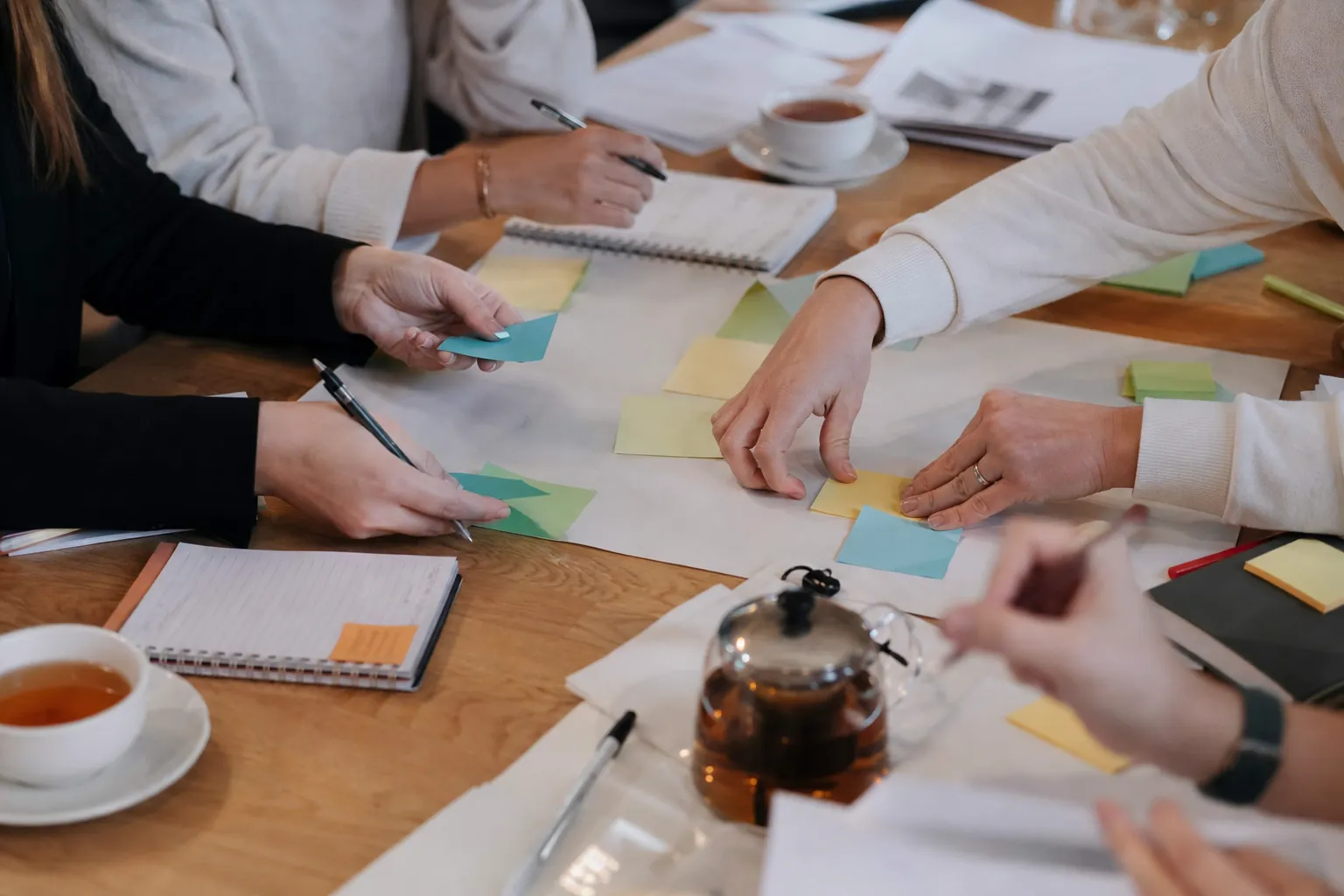
A program designed from assumptions rarely earns trust. Before you choose a speaker, benefit, or campaign, ask employees what is helping and what is getting in the way. Use a short confidential survey, facilitated conversations, listening sessions, or a combination. Give people room to name both the bright spots and the friction.
Listen for patterns rather than trying to fix every comment. If several teams are saying that priorities shift without explanation, that is a leadership and communication issue. If people say they do not know when it is okay to disconnect, that is a norms issue. If managers feel unprepared to talk about workload, that is a capability issue.
Then report back. Nothing drains confidence faster than asking people to speak honestly and disappearing with the results. Share what you heard, what you will act on now, what will take longer, and what is not possible at the moment. The follow-through is part of the intervention.
Build a program people can use on a Tuesday
The best wellbeing work fits into real workdays. It might be a manager workshop that makes priority conversations easier, a keynote that gives a whole company language for burnout and boundaries, a recurring team practice, or coaching that helps leaders model sustainable performance. It should not require people to do extra emotional labor just to access support.
Think in layers. Organization-wide learning creates a shared frame. Manager support turns the frame into everyday decisions. Team rituals make it visible: clearer meeting norms, capacity check-ins, protected focus time, and a way to flag overload early. Individual resources can then meet people where they are without pretending the problem is only individual.
This is why isolated perks often disappoint. They can be kind and still miss the point. A comprehensive approach connects programs, policies, benefits, and the environment in which people work, exactly the kind of coordination the CDC recommends for workplace health.
Give managers tools, not a vague expectation to care
Managers are often the closest translators of culture, but many have never been shown how to manage workload, stress, conflict, or competing needs. Telling them to “look after their people” without giving them time, support, and language is not leadership development. It is wishful thinking.
Equip managers with a few repeatable moves: ask what is most important this week; make tradeoffs explicit; notice when a reliable person goes quiet; discuss capacity before assigning work; and respond to a concern with curiosity instead of defensiveness. None of this requires a perfect script. It requires the permission to have the conversation.
A manager who says, “Let’s look at what can move,” changes the emotional temperature of a team. A manager who says, “Everyone is busy,” tells people to suffer privately. The gap is small in words and enormous in effect.
Measure what changes, not what looks good
Start with a baseline, even if it is simple. How clear are priorities? Do people feel able to speak up? Are meetings helping or draining? Do managers have useful conversations about workload? Pair those signals with the operational picture you already have: retention, absence, engagement, errors, or exit themes. You are looking for movement, not a perfect score.
Review the program on a regular rhythm. What did people use? What did they say was useful? Where did the organization make a promised change? Where did the old habits return? A wellness program should be allowed to evolve. In fact, it should. Work changes; a static response soon becomes decoration.
Avoid grand claims about return on investment when the evidence in your organization is not there. The business case becomes stronger when people can see the connection for themselves: less chaos, clearer work, better conversations, and a workplace they are more willing to stay in.
Make wellbeing part of how work gets done
A healthy culture is not one where nobody ever feels stressed. It is one where pressure can be named early, priorities can be renegotiated, and people are not punished for having a human limit. That is a culture people can contribute to over time.
Joelle’s workplace programs are designed for exactly this work: giving teams a compelling shared experience, then translating the insight into conversations and practices that last after the event. A well-timed keynote can open the door. Workshops and ongoing partnership are where a team learns how to walk through it together.
Start smaller than you think. Listen to one team. Fix one recurring friction point. Teach one group of managers how to make the next priority conversation better. The people you employ will notice the difference.